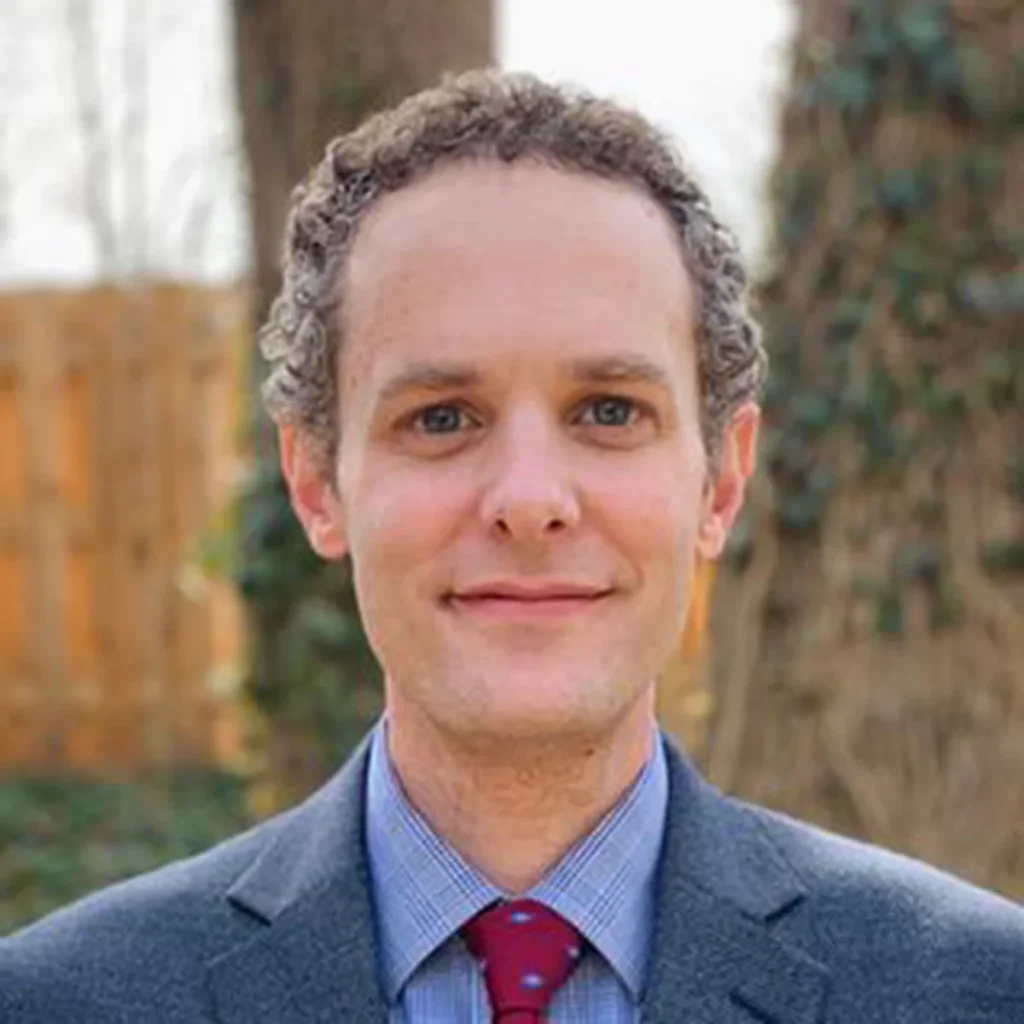


Associate Professor of Neurology and Pediatrics
University of Rochester
What first drew you to Krabbe disease—and why have you stayed?
I was initially drawn to Krabbe disease through my work in newborn screening. In New York, Krabbe has been part of newborn screening since 2006, but for a long time we didn’t fully understand how to interpret those results, especially when it came to predicting who would actually develop disease and how urgently to act. That uncertainty can have a real impact on families.
I came into the field at a time when we were beginning to better understand psychosineDue to the enzyme deficiency in Krabbe disease, psychosine accumulates in the nervous system of affected individuals. Psychosine, a galactolipid, is a cytotoxic type of lipid, that has destructive pro and its role in predicting disease, which felt like a turning point. Being part of the effort to bring more clarity—to help guide both families and clinicians through incredibly complex, high-stakes decisions—has been really meaningful.
I’ve stayed because of the people. Once you meet these children and their families, it’s hard not to feel invested. You want to keep improving things for them—making the process clearer, faster, and more supportive. It’s challenging work, but it feels important in a very immediate way.
Can you share a moment that really stuck with you emotionally?
One moment that has stayed with me was meeting one of the first newborns I cared for who had infantile Krabbe disease. There was a lot of fear in that moment—on all sides—but what stood out most was the strength of the parents. They were faced with overwhelming information and urgent decisions, and yet they were completely focused on doing whatever they could to give their child the best possible chance.
It really reinforced for me how critical communication is in these situations. Being available, being clear, and being honest, those things matter just as much as the medical decisions themselves. That experience shaped how I approach every family I work with.
What gives you the most hope when you think about the future of Krabbe disease?
There’s a lot to be hopeful about right now. Science is moving forward—whether it’s better biomarkers, earlier identification, or the development of new treatments, including gene therapyA type of therapy that offers hope and promise for a cure for many genetic disorders. A working copy of the gene replaces the non-working copy of the gene. Gene therapy is at the forefront of many tr. Those advances are real and meaningful.
But honestly, what gives me the most hope is the community. The parents, advocates, researchers, and clinicians who are all working toward the same goal—it’s an incredibly dedicated and collaborative group. That kind of shared commitment is powerful, and it’s what makes progress possible.
When you combine that level of dedication with the scientific advances we’re seeing, it feels like we’re moving toward a future where we can offer families more clarity, more options, and ultimately better outcomes.