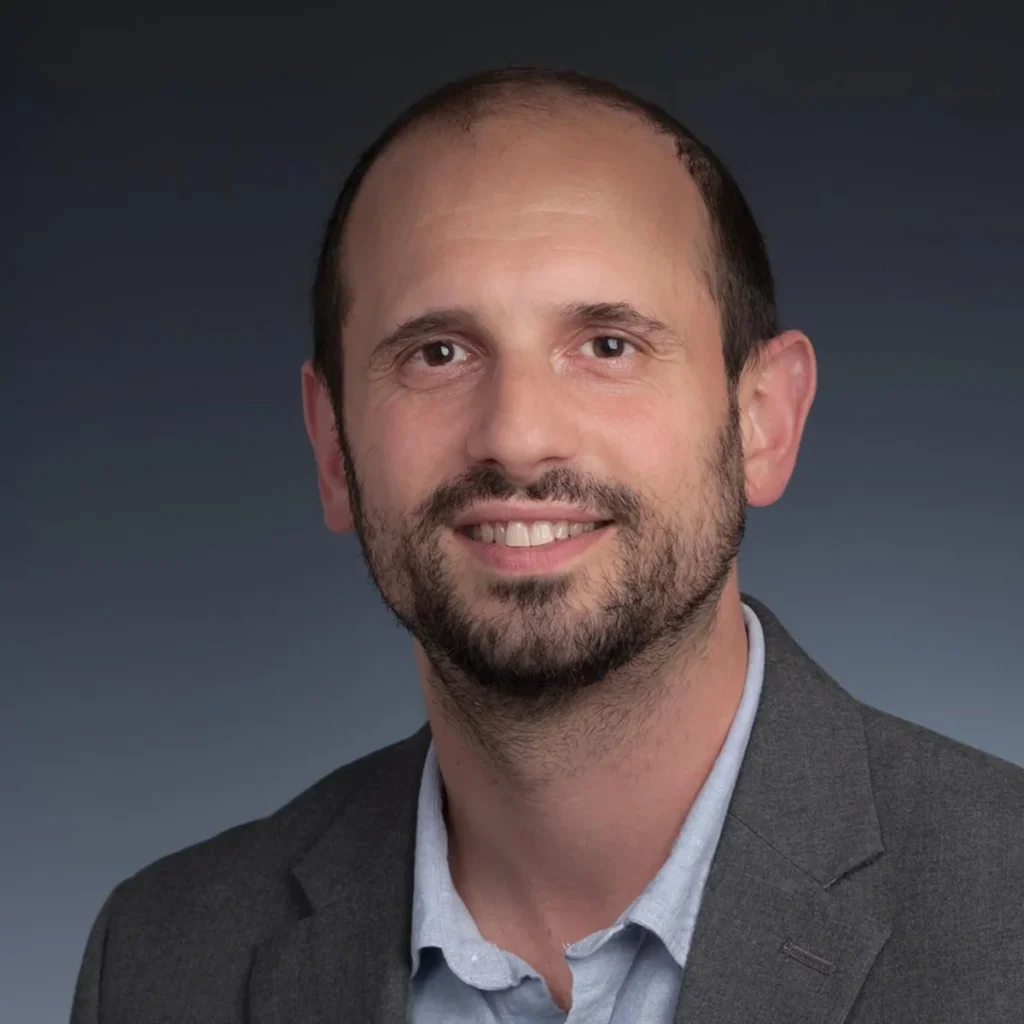


Associated Professor
Duke University
What first drew you to Krabbe disease–and why have you stayed?
Krabbe disease exposes a fundamental gap in medicine: we can replace the blood and immune system with transplants, yet we still cannot repair the brain. My lab studies the borders of the brain and how we can open the door to replace brain support cells. This could fundamentally change what recovery looks like.
What is one thing you wish every family understood about the work happening right now?
Currently, we don’t have therapies to repair the brain. This is a critical barrier to cure Krabbe. We are developing new ways to improve how therapeutic cells enter the brain and are designing cell-based therapies to rebuild myelinMyelin is an essential material your body uses to surround and protect nerve fibers. (the brain’s insulation that is degraded in Krabbe). We are closer than ever.
What gives you the most hope when you think about the future of Krabbe disease?
We are beginning to understand how the brain’s gateways, immune responses, and support cells work together during disease. This integrated understanding is opening new therapeutic directions focused not just on slowing damage, but on actively repairing the nervous systemThe nervous system of the body is made up of the Central Nervous System (CNS) and the Peripheral Nervous System (PNS)..
If you could say one thing directly to families impacted by Krabbe, what would it be?
Curing Krabbe will require more than correcting an enzymeA protein needed by the body to break down certain substances by causing a biochemical reaction within the cells. In Krabbe disease, galactocerebrosidase is the deficient enzyme. Words that end in ‘a deficiency. It will also require aspect of resetting the immune system and repairing the brain. This is a challenge that we are well suited to solve, and we are working endlessly to develop strategies to make this possible.